MADBOYS
GOLDEN BLOOD
START HERE · CANON

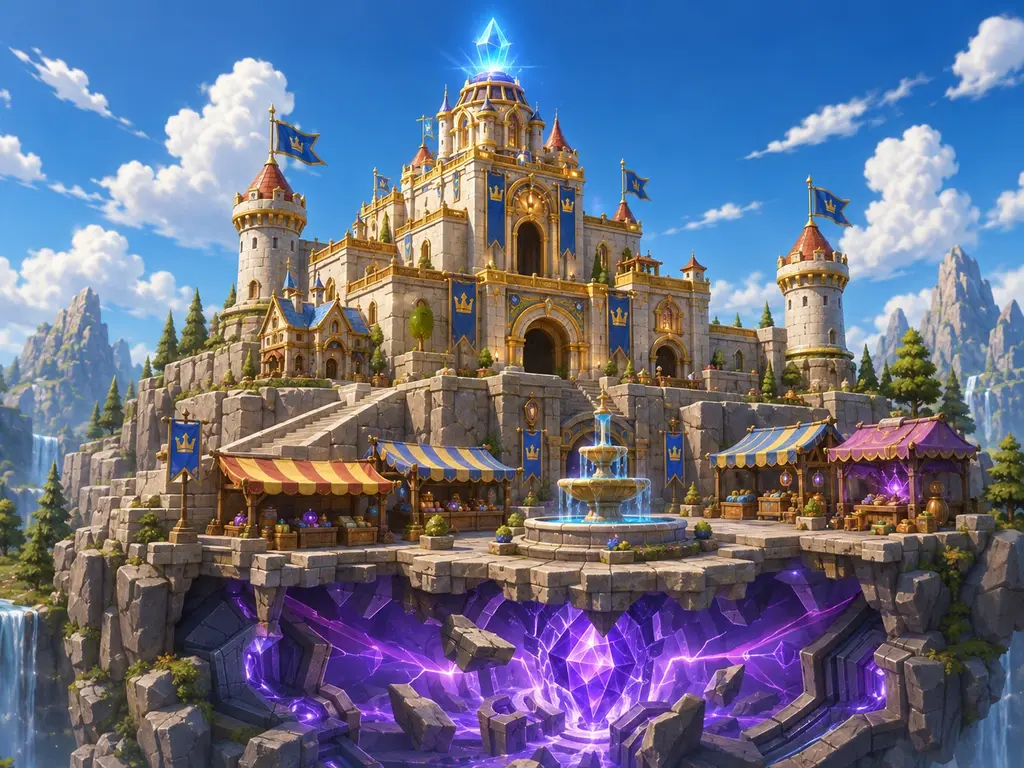
The City That Bought Immortality and Woke a Catastrophe

Gildglade bought immortality from the Fairy, lost its living government, and built a new economy on monster blood. The King is ready to answer with White Flame, an ancient Machine has cracked beneath the streets, and the world around the city is full of undead orcs, time-drinking vampires, and the remnants of civilizations that died before humanity existed. These twenty steps are the fastest way to understand why Aurelion is not ordinary fantasy.

8 min read · 20 key ideas
01

The Fairy sold immortality to the nobility — and the bargain worked far too literally

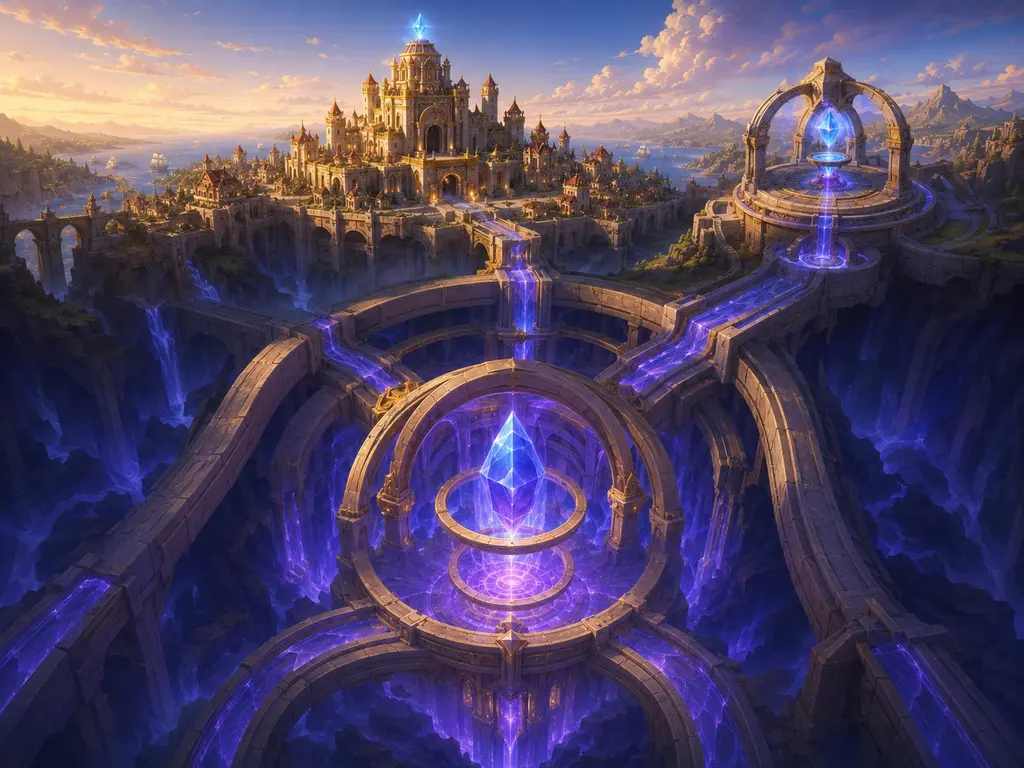
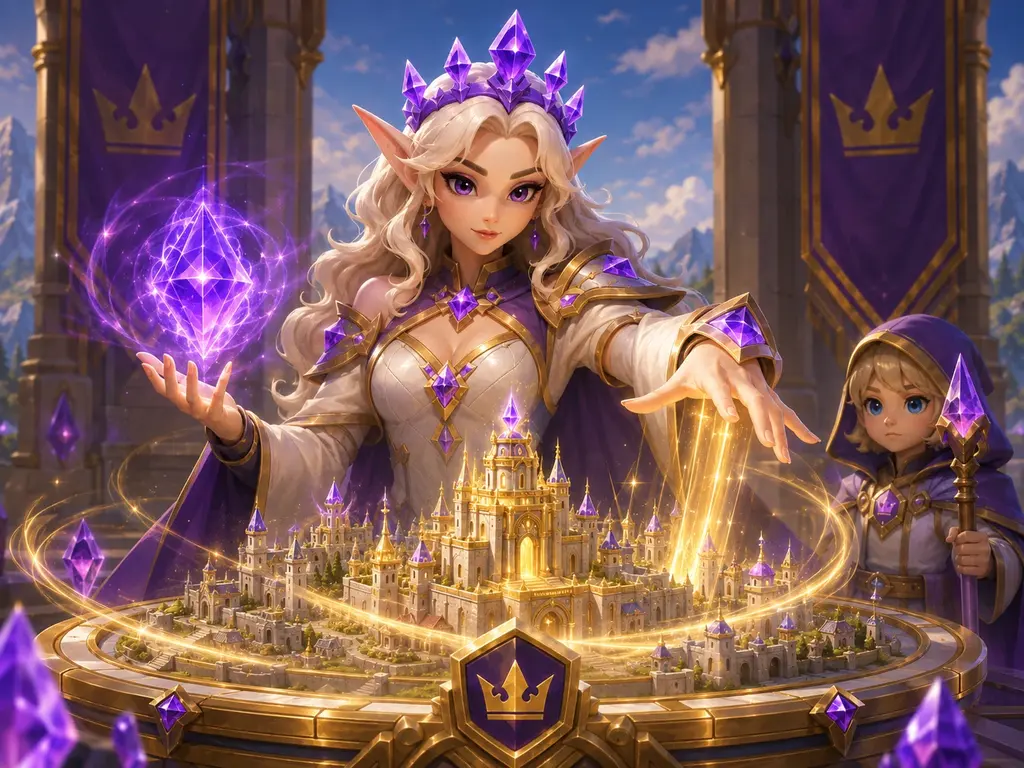
Gildglade’s old aristocracy paid the Fairy Queen an immense fortune for the right not to vanish after death. The bargain was not a lie but a trap of exact fulfillment: titles, property, seals, and traces of identity survived, while real living authority did not. The story begins with a city that bought immortality — and received a political catastrophe.
Fairy QueenFairy Queen ↗
02

Gildglade woke up without a living ruler

The city’s legal owners still exist, but bread must be distributed today, walls repaired today, and monsters stopped today. The power vacuum turns ordinary administration into a permanent emergency: whoever can solve the problem now earns the right to solve the next one a week later. Temporary necessity begins quietly replacing law.

GildgladeGildglade ↗
03

You play a secret order that slowly becomes a state

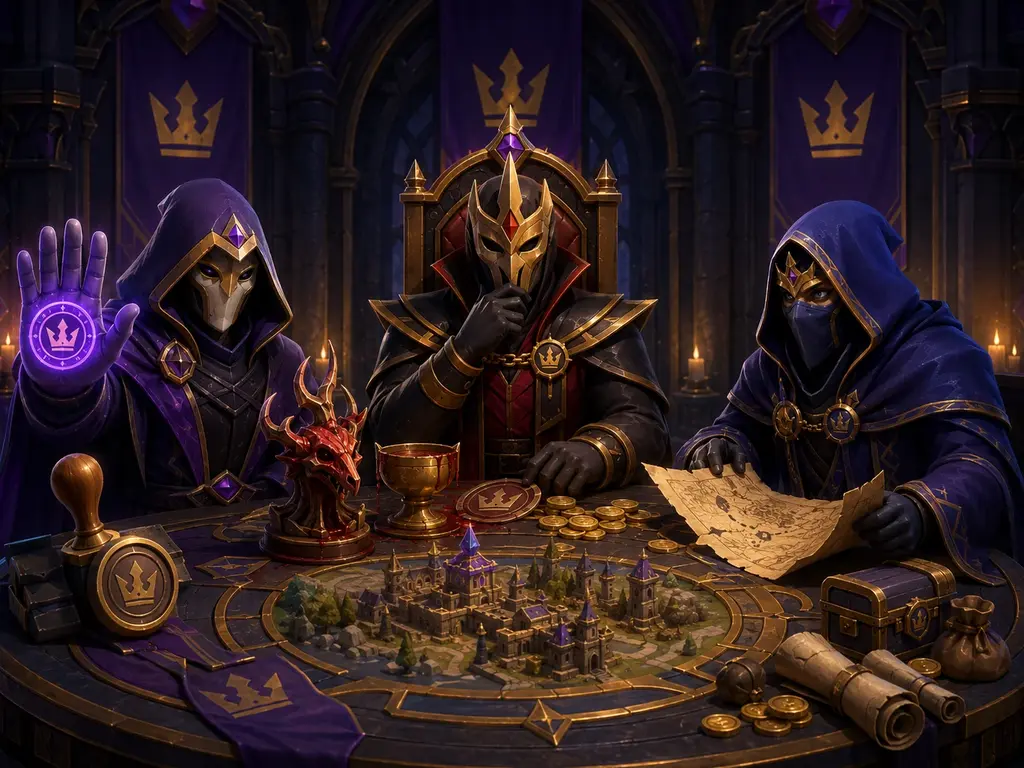
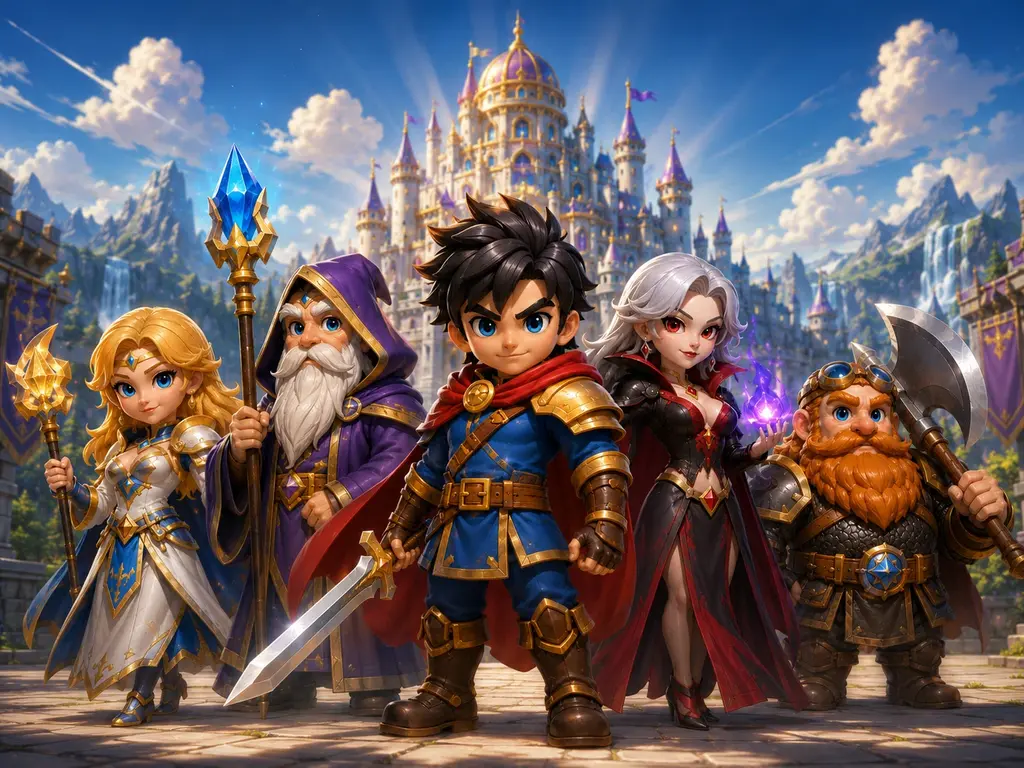
The Secret Council is part conspiracy, hunting brotherhood, cult, intelligence network, and criminal syndicate. The Twelve Masks begin as emergency authority, then draw in heroes, craftsmen, officials, districts, and entire communities. The meta-game is the growth of a closed order that one day realizes it already governs thousands of people and is responsible for the city’s future.

The Secret CouncilThe Secret Council ↗
04

The Golden Hunt turns human greed into an industry

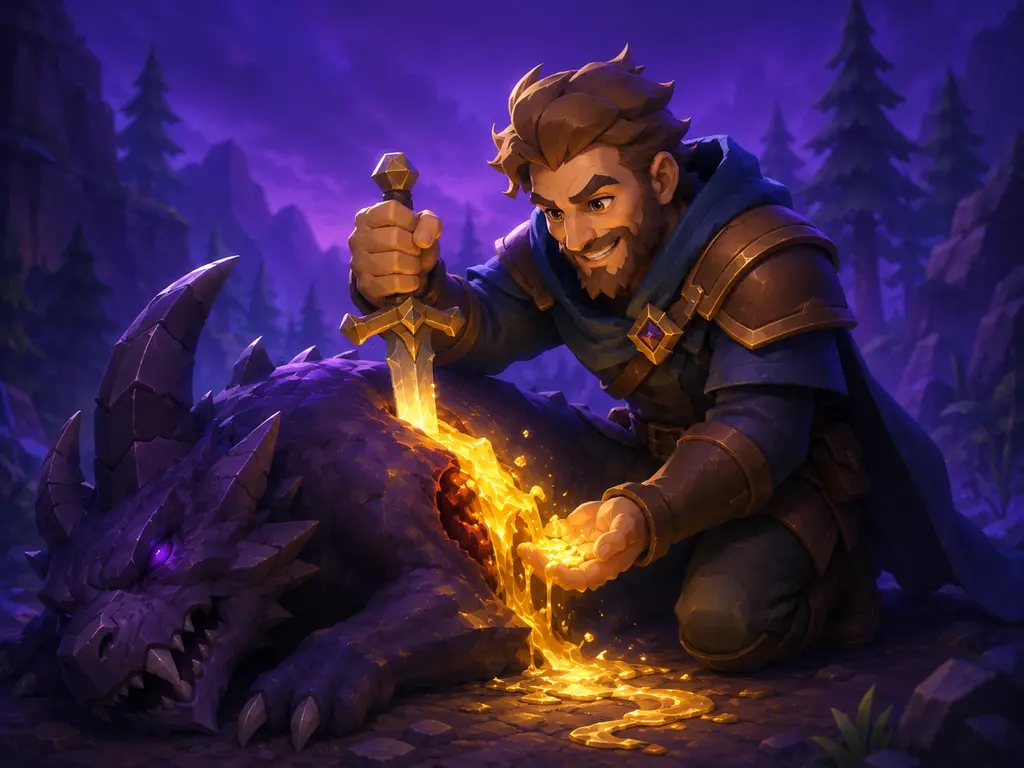
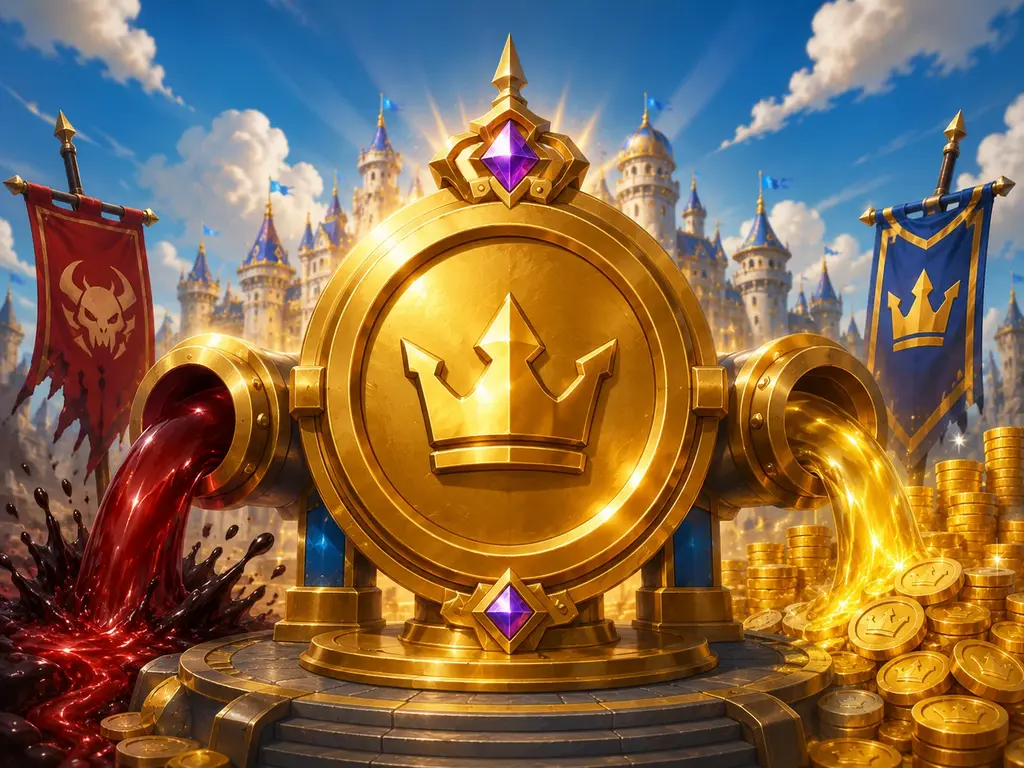
Monster blood does not become Golden Blood merely because the creature dies: a human must genuinely want to appropriate its value. Gildglade industrializes that condition — hunts, shares, appraisers, refiners, contracts on future loot, and mints. Here greed is not a character flaw but a production requirement: the city pays for survival with humanity’s ability to want more.

Golden BloodGolden Blood ↗
05

The King answers the city with one sentence: “There is no ransom for Golden Blood”

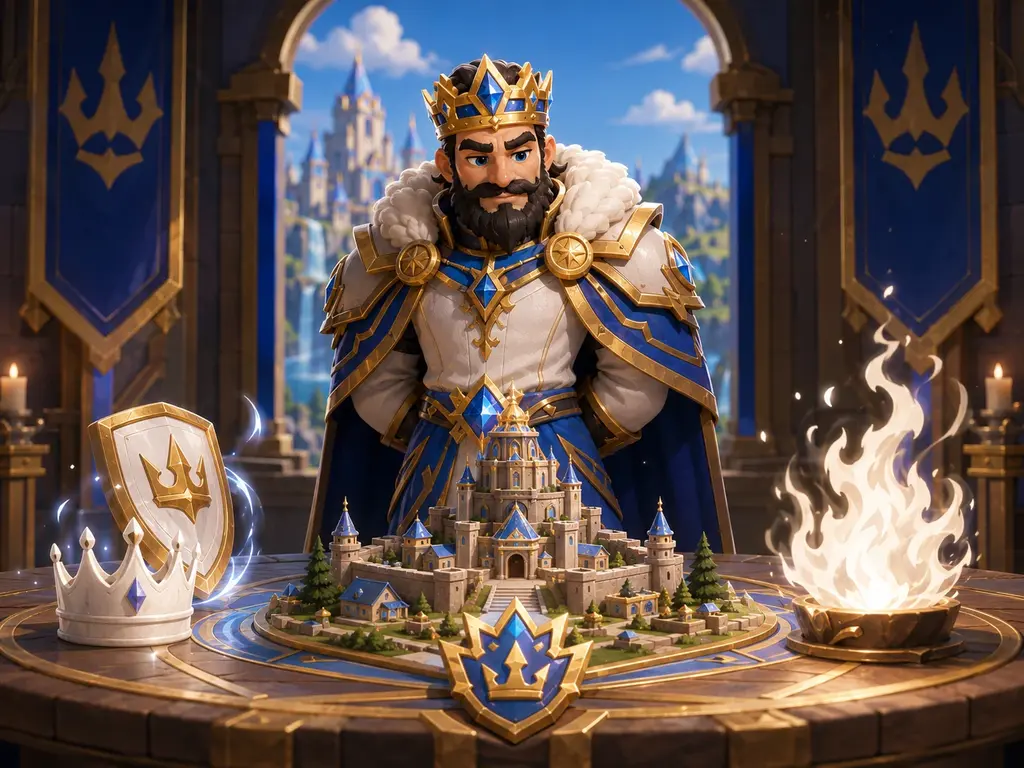
Gildglade hopes to accumulate enough gold to buy independence and one day become a true republic. The White Crown sees something else: magical heresy, contaminated territory, and a source of power that cannot be legalized through taxation. The central political conflict is simple — the city dreams of buying freedom, while the King would rather burn the source of Golden Blood than recognize such a bargain.

King Simaly IIIKing Simaly III ↗
06

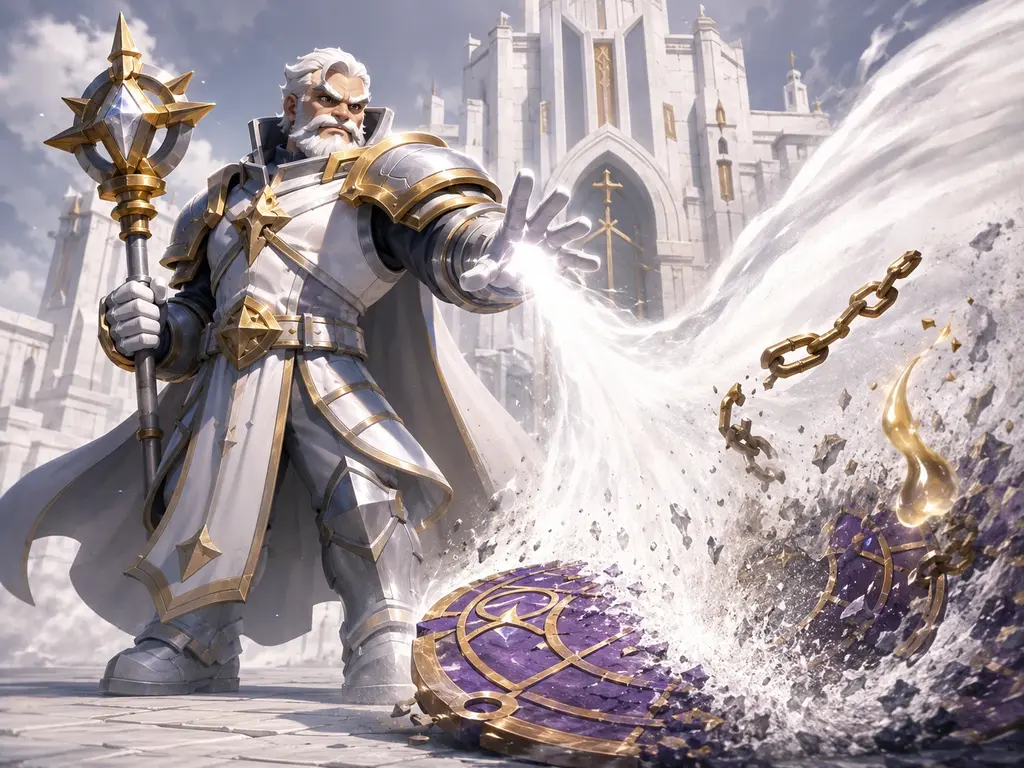
Behind the King’s army comes White Flame — a weapon that erases the possibility of magic itself

For the Inquisition, killing a sorcerer is not enough. White Flame tears apart magical bindings, extinguishes fields, and sterilizes systems so that a spell cannot simply be restored tomorrow. A mage is dangerous, but so are an artifact, a ritual, a memory, or a piece of knowledge. The White Ash ideal is terrifyingly rational: not defeat the witch, but make the witch impossible.

White FlameWhite Flame ↗
07

The worst part: every player victory feeds the Golden Catastrophe

The damaged Node calls monsters. Hunters kill them for loot. Blood becomes gold. Gold pays for walls, magic, and new expeditions. The more successful the city becomes, the stronger the system that attracts the next wave. Gildglade lives inside a perfectly functioning apocalypse: the hero truly saves the city today — and by the same success makes tomorrow’s catastrophe larger.

Node CatastropheNode Catastrophe ↗
08

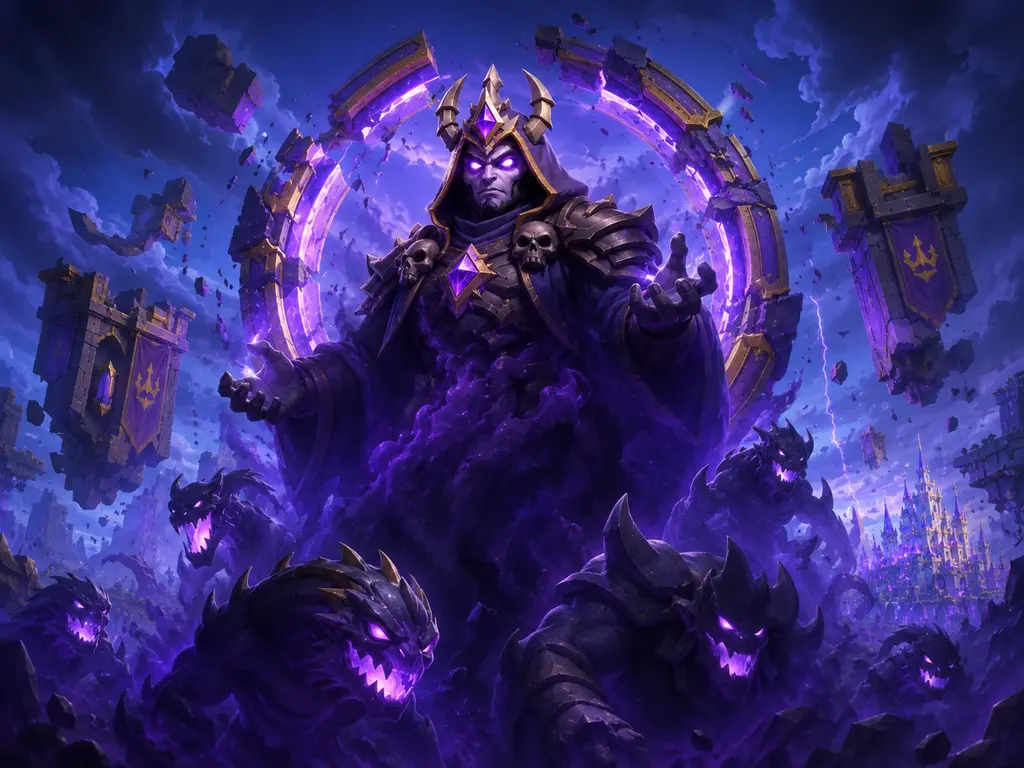
The Fairy and the Dark Lord already stand behind the city — two sides of one broken system

The Fairy Queen offers preservation, contract, gold, and continued existence. The Dark Lord brings negation, shadow, and the cost of that same damaged mechanism. They are not conventional good and evil: both grow around the same wound in the world, and both can offer humanity an order that humans may not want. Victory for one side does not automatically mean salvation.

Dark LordDark Lord ↗
09

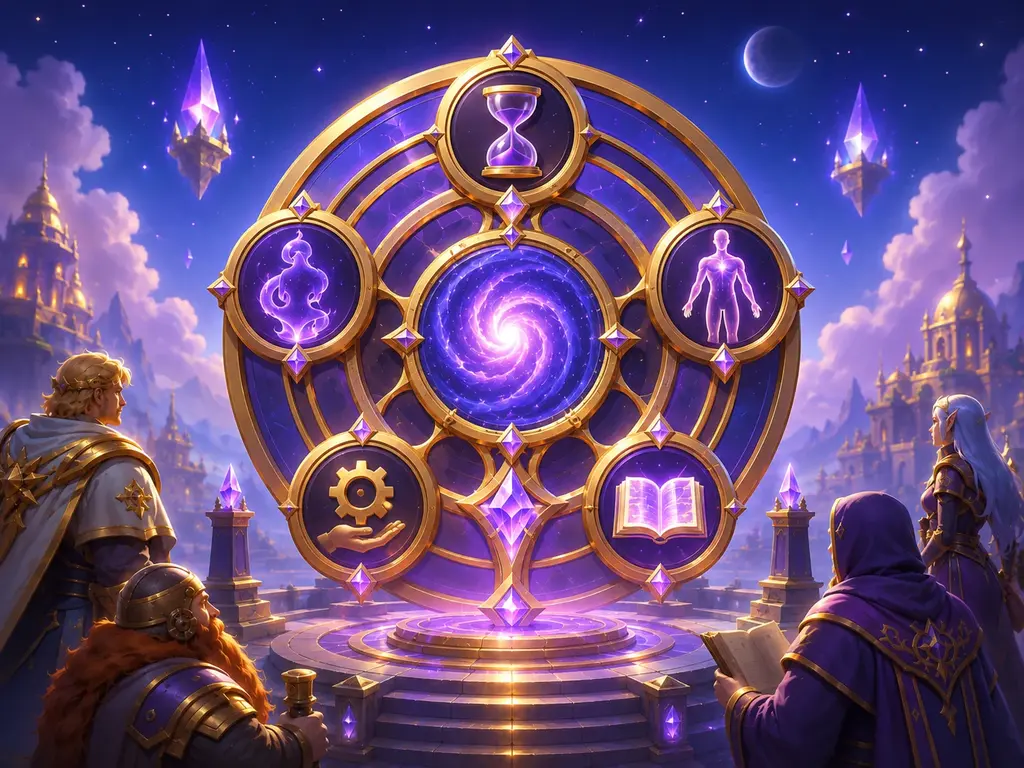
The Great Cycle does not divide beings into simple categories of “alive” and “dead”

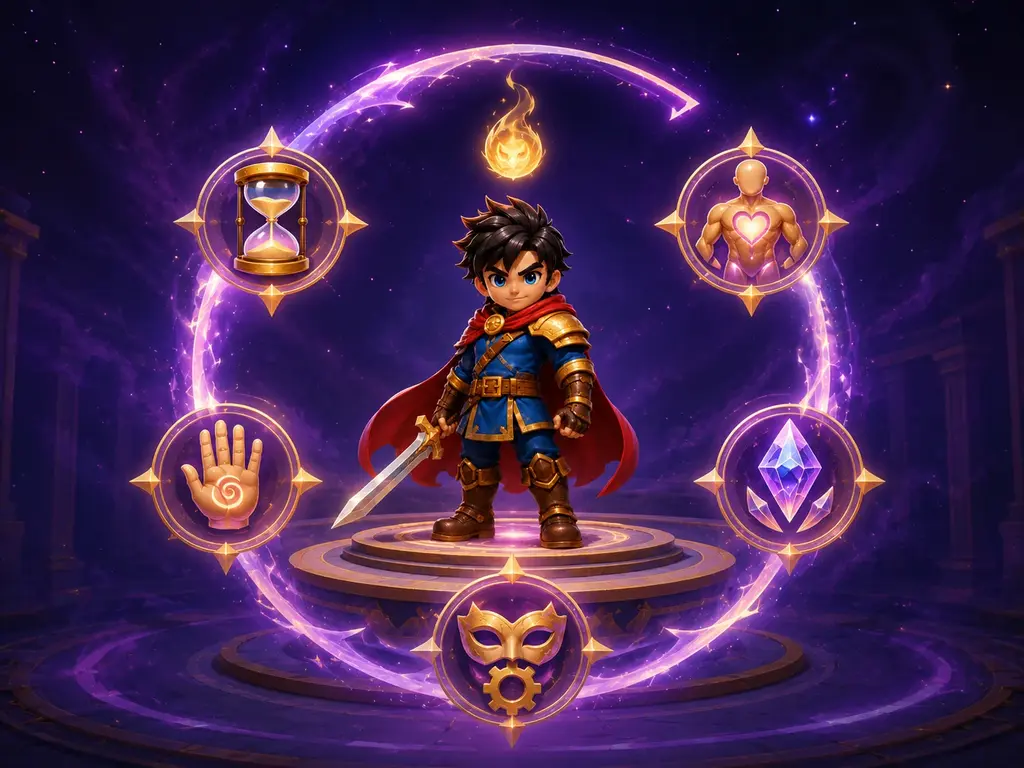
In Aurelion, Body, personal Time, Memory, Function, Will, and Soul exist as distinct components. A being can lose one and continue through the others. You can therefore be dead, speak, remember yourself, own property, and possess rights — or look perfectly alive while having lived on someone else’s Time for centuries.

The Great CycleThe Great Cycle ↗
10

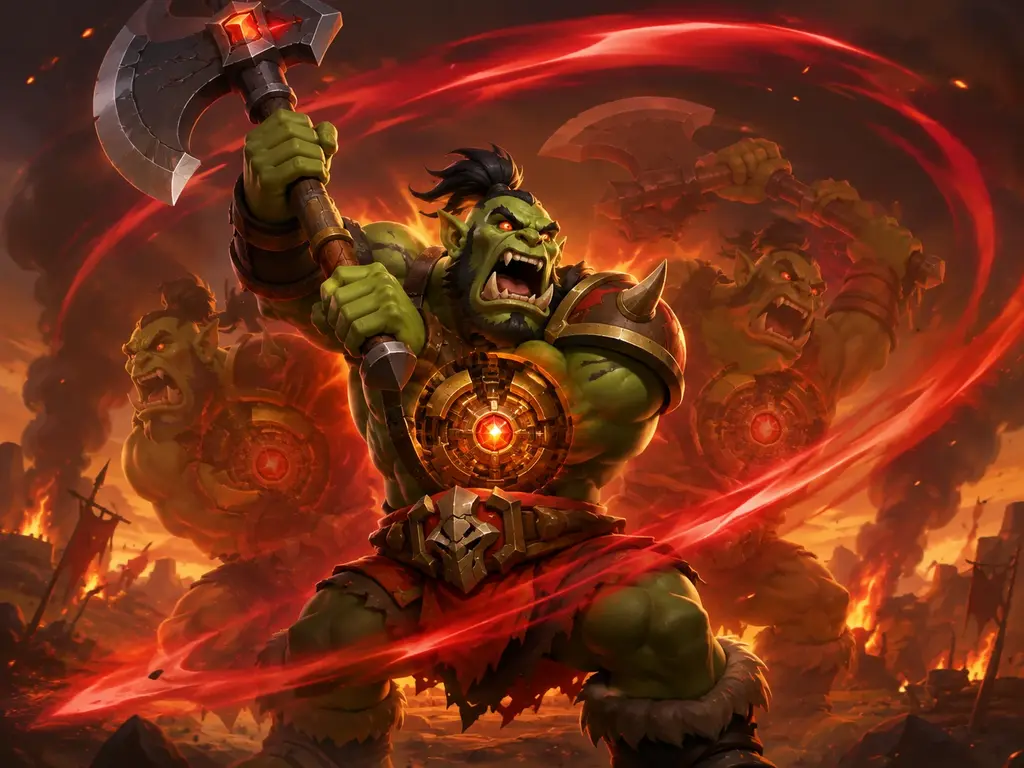
Orcs breathe, eat, and are born — yet the laws of the world classify them as undead

Biologically an orc looks alive, but its personal Time does not arise like a human’s: existence is sustained by an external rhythm and magical binding. The Great Cycle therefore places an orc closer to a skeleton, lich, or vampire than to a human. In Aurelion, appearance constantly lies about what a being truly is.

OrcsOrcs ↗
11

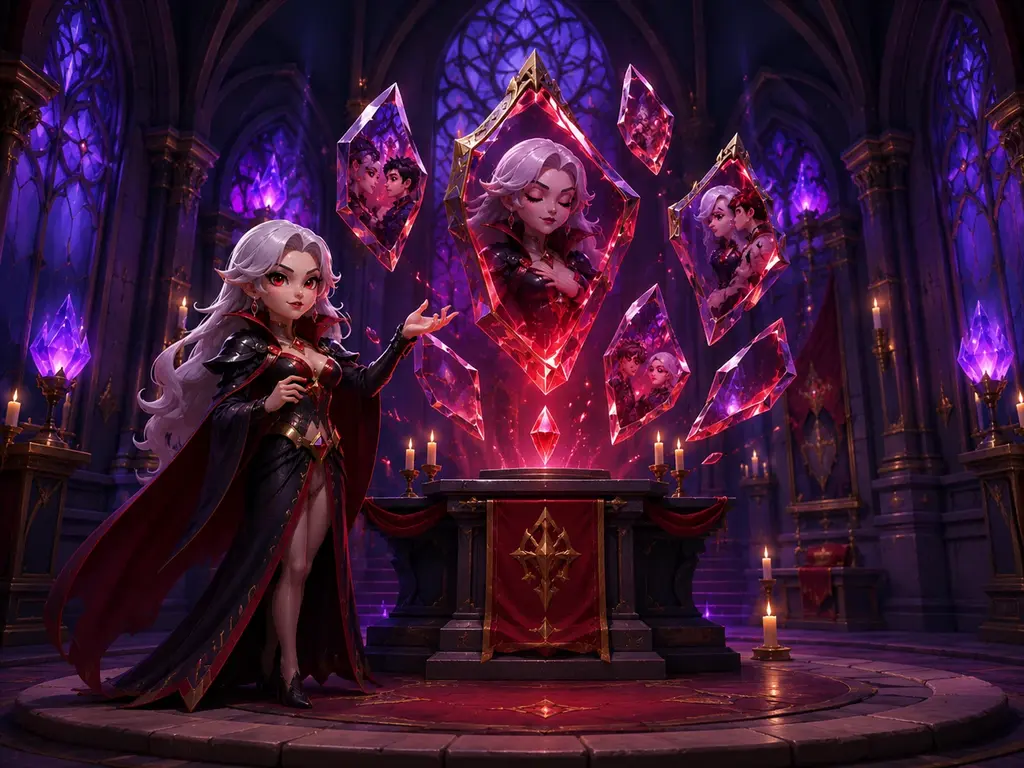
Vampires do not drink blood. They steal other people’s Time and Memory

A vampire does not need liquid; it needs another person’s continuity of life. It preserves its body by replacing its own Time with the experiences of others. An ancient vampire can remember someone else’s childhood, love, and death as vividly as if it lived them — and eventually stop knowing which memories once belonged to itself. Immortality slowly destroys the answer to the question “Who am I?”

VampiresVampires ↗
12

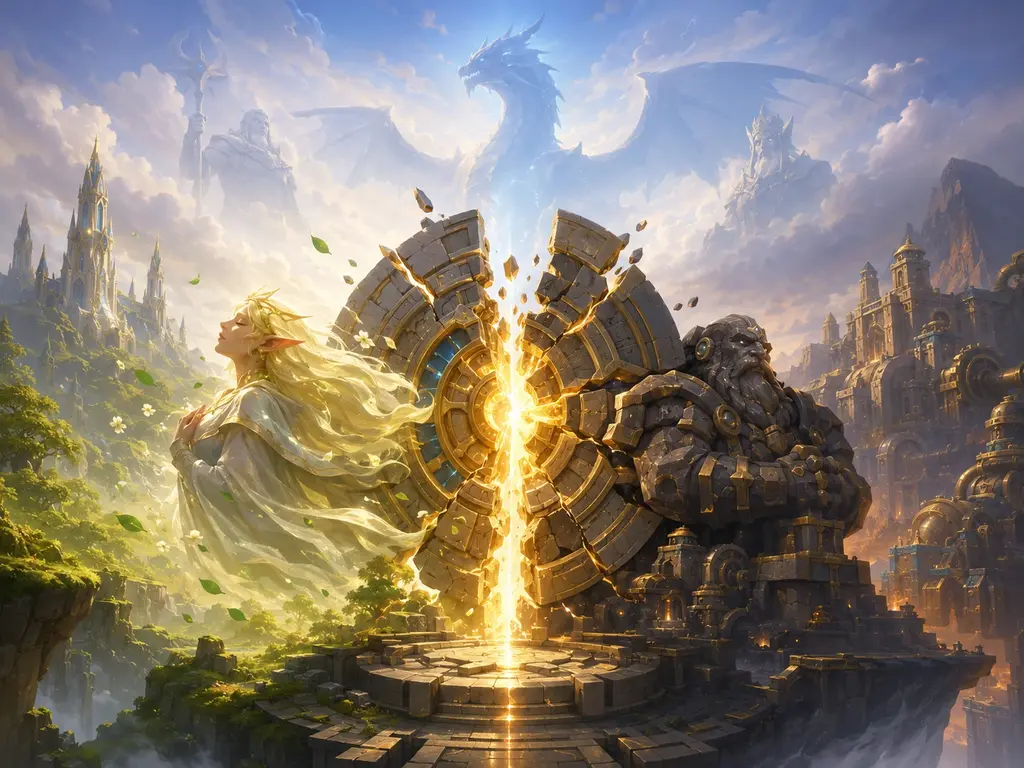
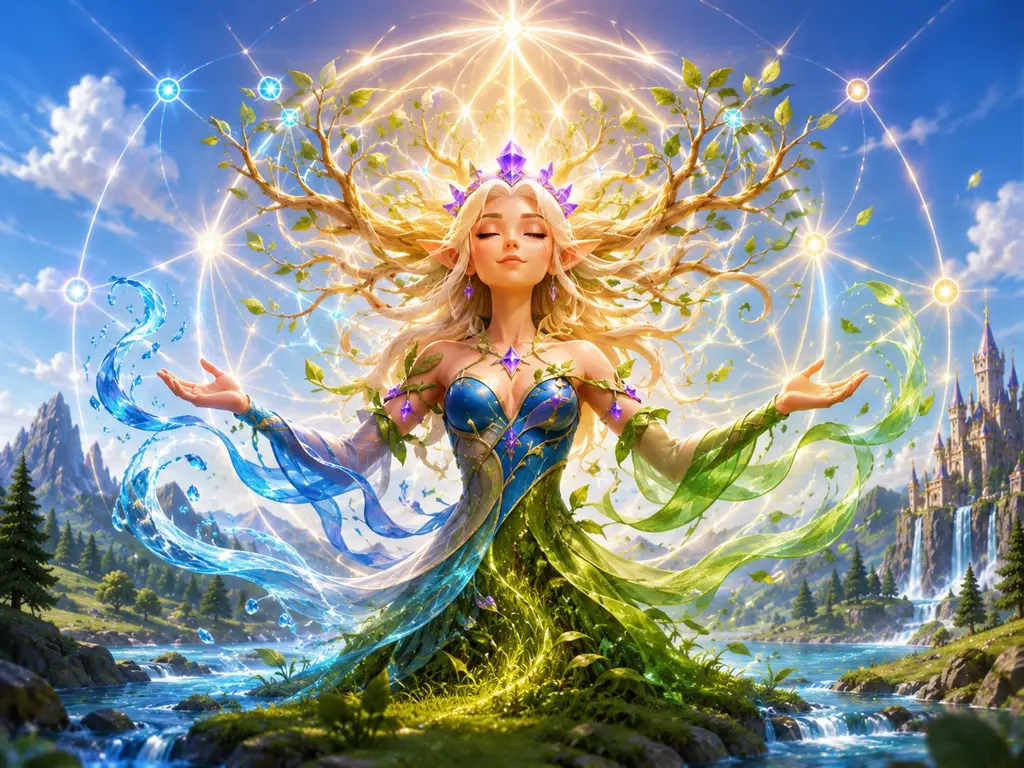
Elves and dwarves are not humanity’s ancient neighbors. They are dead civilizations

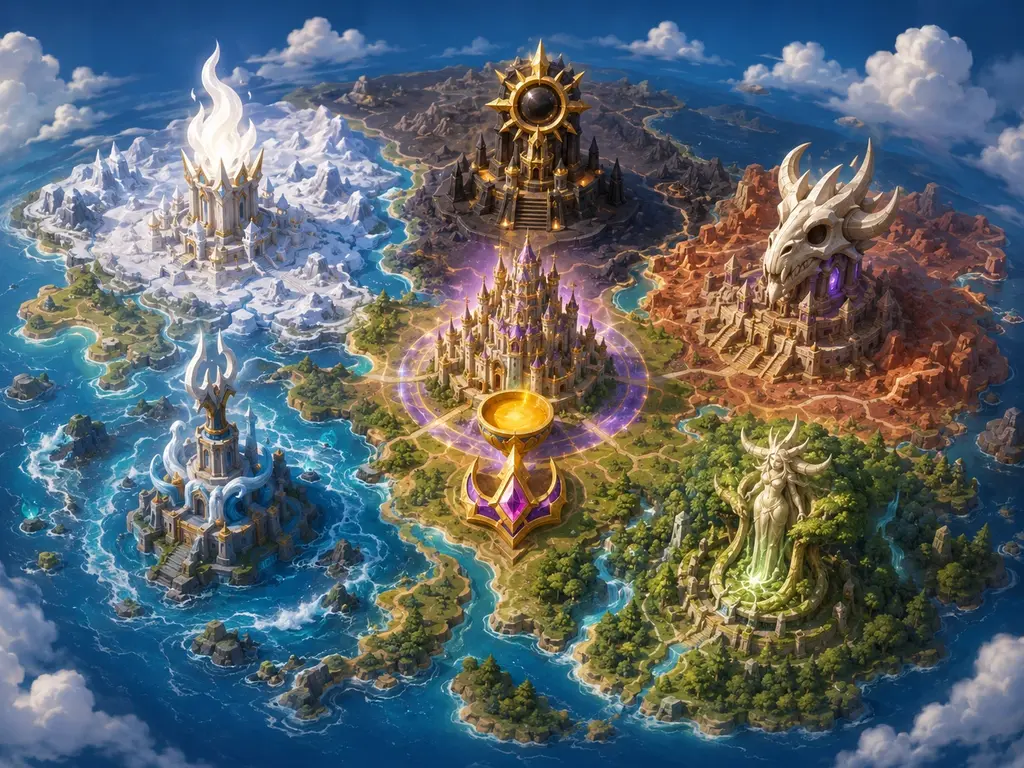
Human states are built on the inheritance of races that once tried to hold the world together in their own ways. Elves left forms, rituals, and traces of Harmony; dwarves left machines, nodes, and engineering systems. The owners vanished, while the infrastructure kept running. Human civilization in Aurelion resembles a post-apocalyptic settlement that grew inside somebody else’s ruins.

ElvesElves ↗
13

The most dangerous heroes are outsiders whose fate local history has not written yet

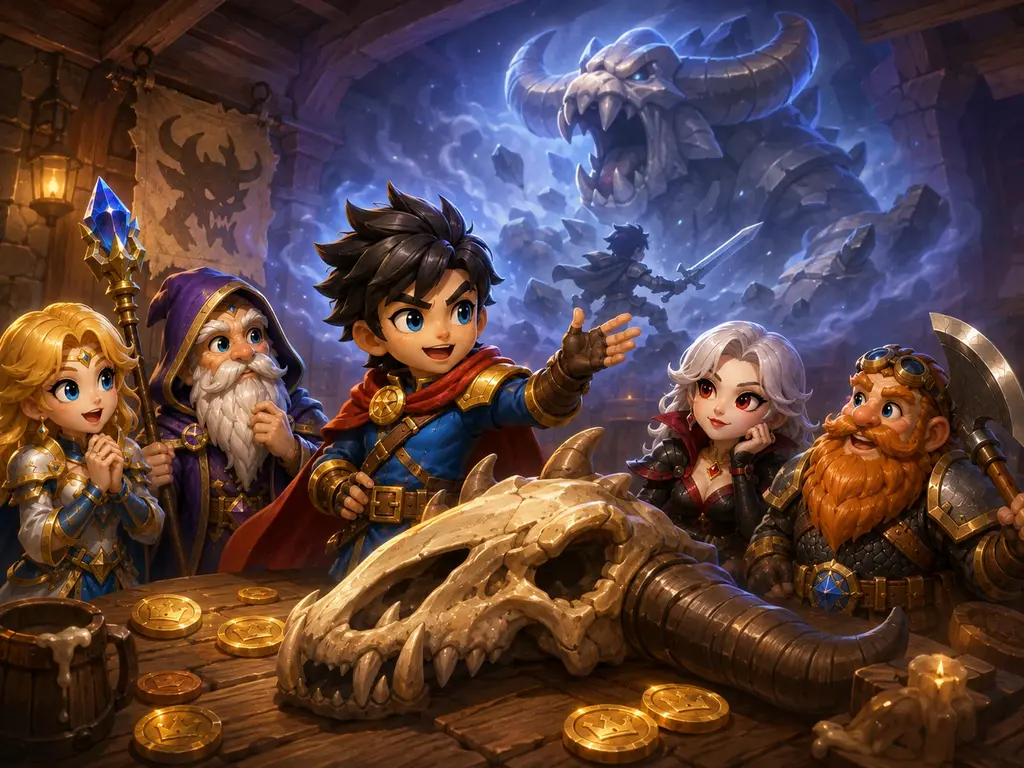
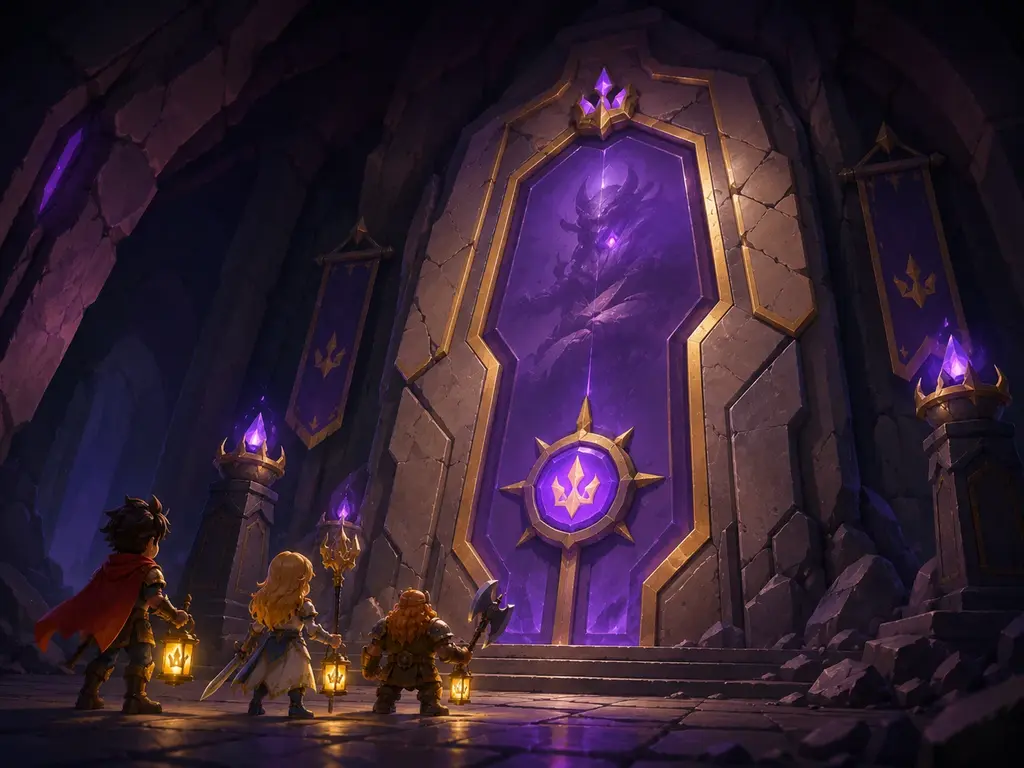
Clean Pages arrive outside local bloodlines, debts, and ancient contracts, so Aurelion’s systems are worse at predicting them. They make ideal hunters and are the first sent where a normal resident would never go. Their chief advantage is not knowledge of another world but the absence of a preassigned role: reality has not yet decided what they must become.

Clean PagesClean Pages ↗
14

You can return from the other side — but you cannot roll the world back with you

For Clean Pages, death is not always the end. They can Return, which is why they are sent into the most hopeless places. But the Return does not erase consequences: the hero may already have been mourned, replaced, blamed, or turned into a symbol. In Aurelion, immortality does not mean safety — it means your own death becomes another event in your biography.

Mad BoysMad Boys ↗
15

This is accounting fantasy: debt, memory, and years of life can all go on the ledger

A promise, a right, future loot, a year of life, a magical service, or even part of a human Function can become an obligation. Law, economics, and magic speak the same language: who received what, what they paid, and whom they now owe. Sometimes a sword simply kills. Sometimes a properly drafted contract turns a person into an asset on someone else’s balance sheet — and that is far worse.

The Golden OrderThe Golden Order ↗
16

Every spell is bookkeeping: an asset appears somewhere, and a liability must appear somewhere else

A spell never comes from nothing. Its source may be gold, blood, memory, bone, an element, faith, or a contract; its price may be madness, lost freedom, damage to body, memory, or humanity itself. Magic in Aurelion therefore works almost like a balance sheet: if power suddenly appears on one line, somewhere an account has already opened that will eventually have to be settled.

How Magic WorksHow Magic Works ↗
17

Demons are fragments of spells that forgot to end

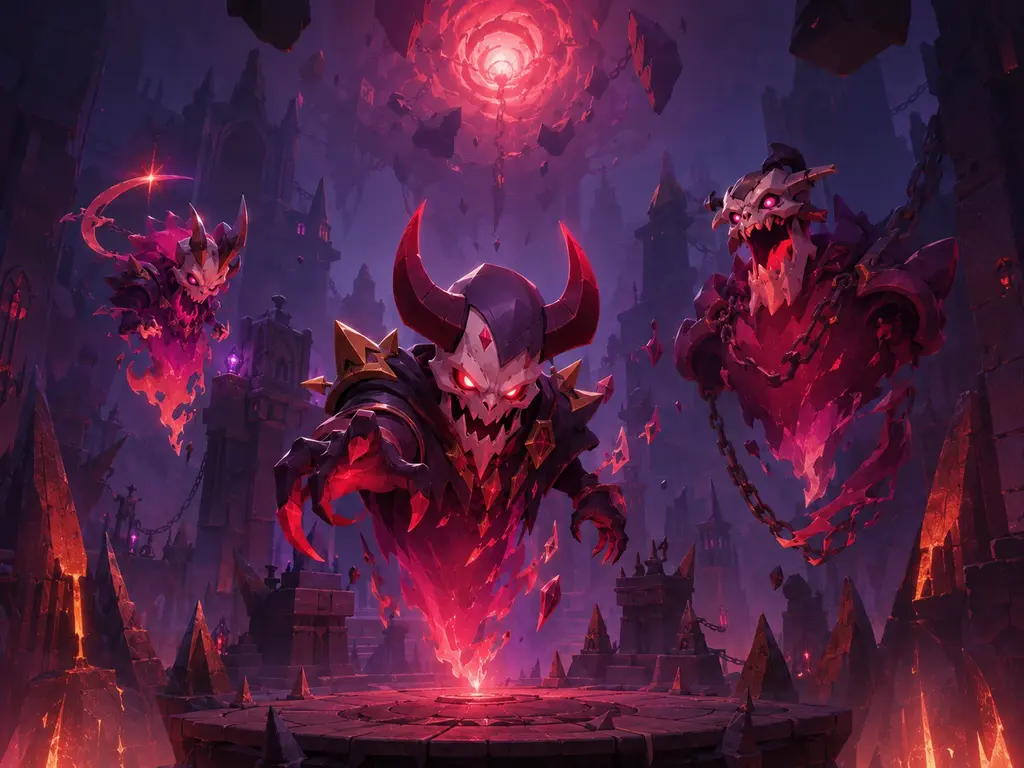
A demon need not come from a separate hell. It can be a Function without normal Time and Memory: a ritual error, a shard of an order, or a magical action that keeps executing after its author is gone. Such a demon does not hate people — it simply does forever what it was created to do. Sometimes an intelligent villain is safer than an unfinished command.

DemonsDemons ↗
18

Humans live in a post-apocalypse; they have simply learned to call it civilization

Aurelion has already broken before. Humans settled among elven and dwarven ruins, use mechanisms they did not build, and treat as normal a reality still held together by the Separation Machine. Its Nodes stitch the torn world like sutures, fixing Body, Time, Memory, and Function — while remaining incapable of truly understanding human Will.

Machine ArchitectureMachine Architecture ↗
19

And this entire broken world exists as a refuge from the Great Nothing

Beyond stable Being lies neither a neighboring universe nor an ordinary hell, but the Great Nothing — a state in which the very possibility of form, memory, and choice is no longer guaranteed. Ancient civilizations did not merely build empires; they kept reality from disappearing. Aurelion’s central cosmological question is therefore not “Who created the world?” but “Why does it still exist?”

AurelionAurelion ↗
20

Demigods ruled here before humanity — and some ancient victories are still asleep beneath the map

Humanity arrived very late. Before it came the Primordial Three, tool-races, ancient guardians, and Lords — beings that could not be permanently solved by ordinary killing. They were bound, sealed, and put to sleep. A mountain, sea, or ruin may therefore be not a monument to an old war, but the lock on something the ancients only managed to silence temporarily.

Sleeping LordsSleeping Lords ↗

Continue exploring

All 161 Canon, Legends and Chronicle articles remain available in the full index.

Open all articles ↗