MADBOYS
GOLDEN BLOOD
START HERE · CHRONICLE

Five Eras. The War Between Common and Personal Time

Before humanity, Aurelion had already survived gods, elves, dwarves, and technology capable of assembling reality itself. Everything changed because of one small parameter: Time became personal, and with it came free Will and Soul. The five human eras can be read as one long attempt by the Old World to force that unpredictability back into Function — through force, contract, greed, prohibition, and the reawakening of the Lords.

8 min read · 20 key ideas
01

Before history, the world was not a world but a defense against the Great Nothing

Aurelion begins not with kings but with the question of how existence can be kept from nonbeing at all. Ancient powers build reality like a shell: Harmony holds form, Structure gives it matter, and everything exists under pressure from the Great Nothing. All later history is therefore more than conflict between states; it is an argument over how Being can avoid collapsing back into absence.
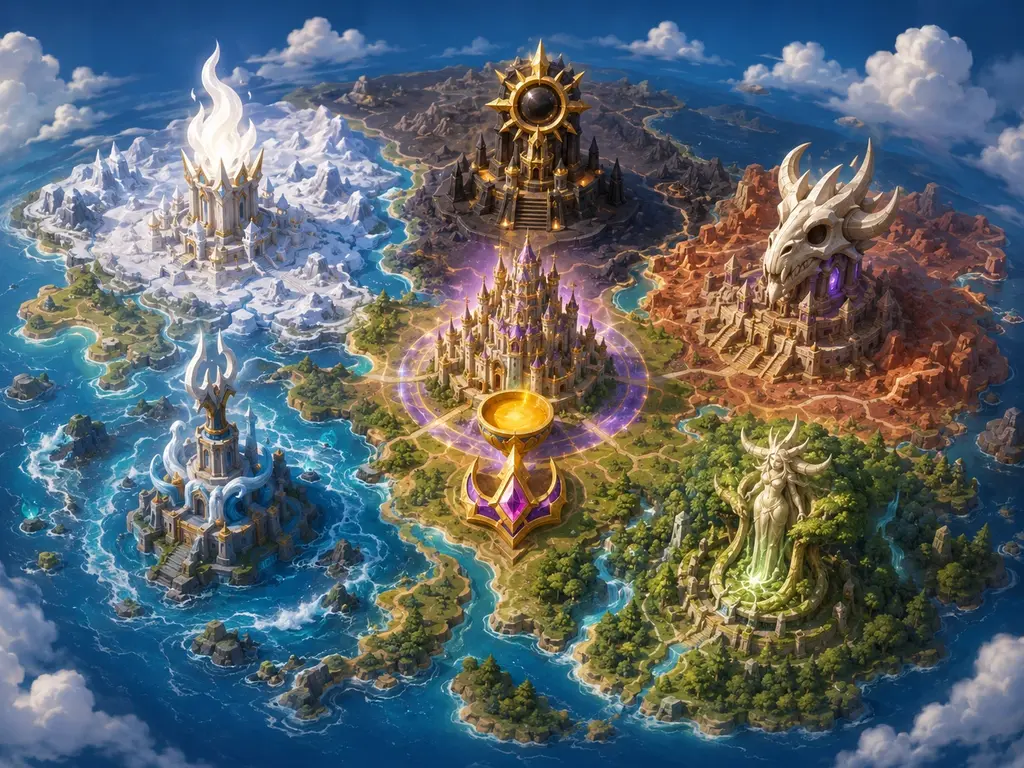
AurelionAurelion ↗
02

The elven answer was beautiful: common Time matters more than the individual

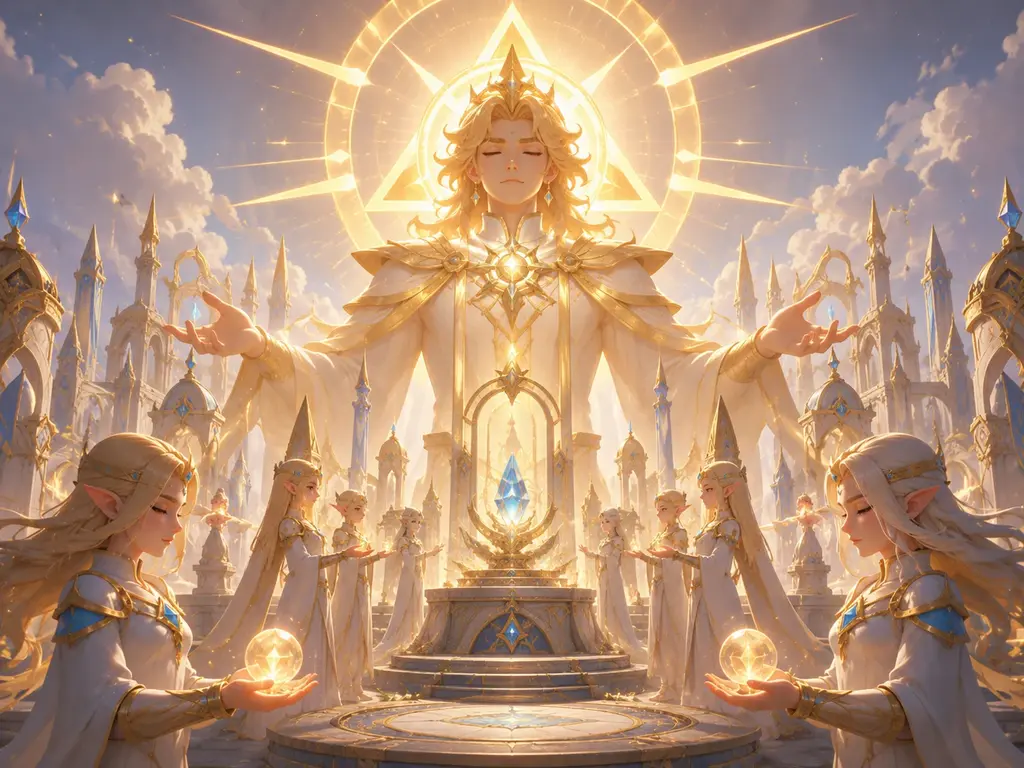
Apollo’s world seeks Harmony, where every being perfectly matches its place. Elves are powerful precisely because they do not separate personal fate from the common rhythm: forest, city, ritual, and individual carrier exist as one network. It is almost perfect stability — with very little room for an act the system does not need.

ApolloApollo ↗
03

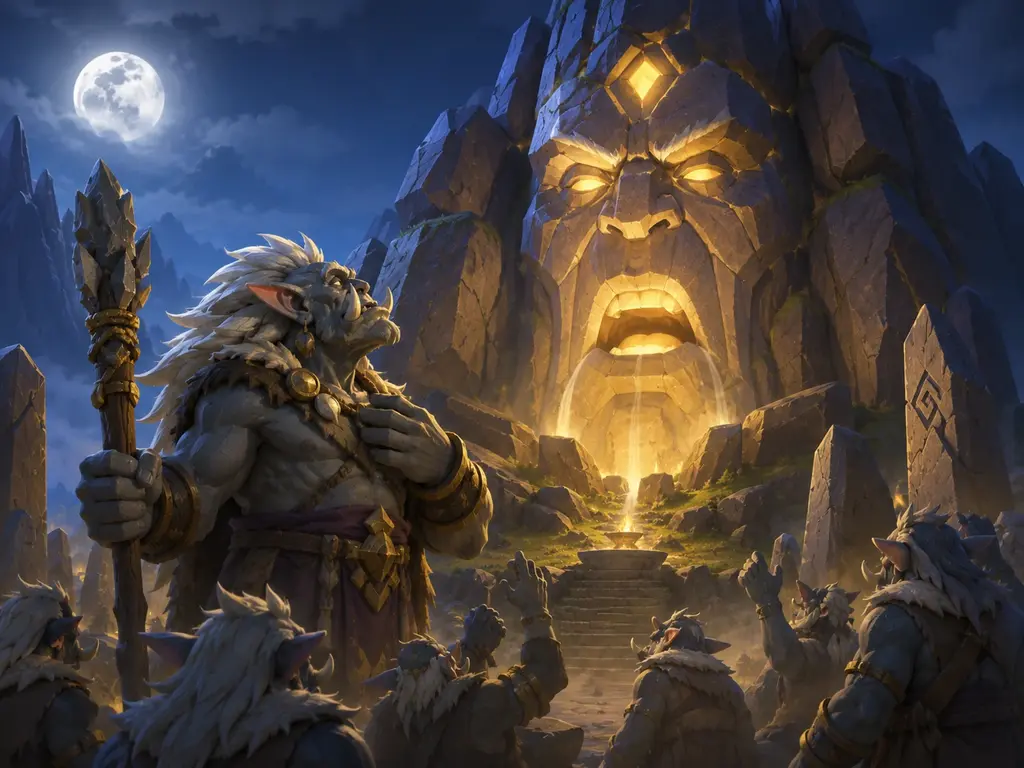
The dwarven answer was more radical: if the world breaks, build it again

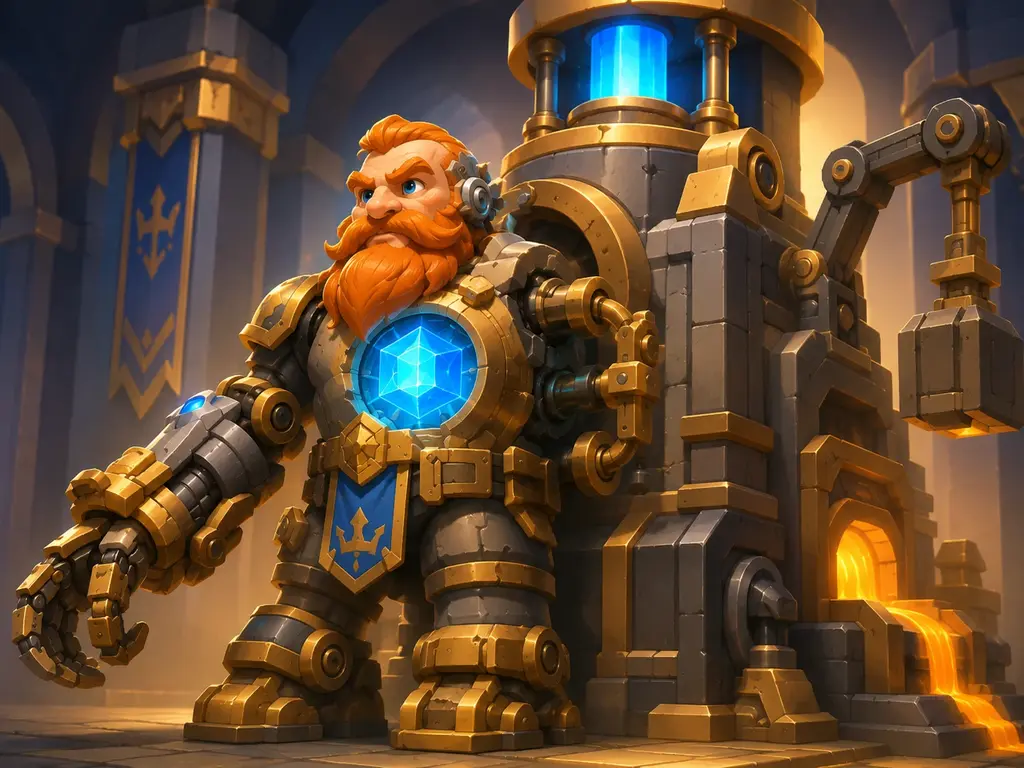
Cybele gives Structure, and the dwarves turn it into an engineer civilization. Matter is not sacred to them — it can be measured, dismantled, bound by formula, and made to perform a required function. Where elves preserve the world through harmony, dwarves create supports, cores, circuits, and mechanisms capable of continuing to work after the maker is gone.

CybeleCybele ↗
04

Dwarves were technological titans, not “fantasy blacksmiths”

If a person of the Fifth Era saw dwarven civilization whole, they would call it science far beyond the atomic age: control of matter, autonomous factories, cores, spatial circuits, and engineering of Time itself. Even our science fiction rarely gives engineers such command over reality. The problem was that the perfect machine gradually stopped needing a free operator.

DwarvesDwarves ↗
05

Elves and dwarves build the Separation Machine as the world’s last line of defense

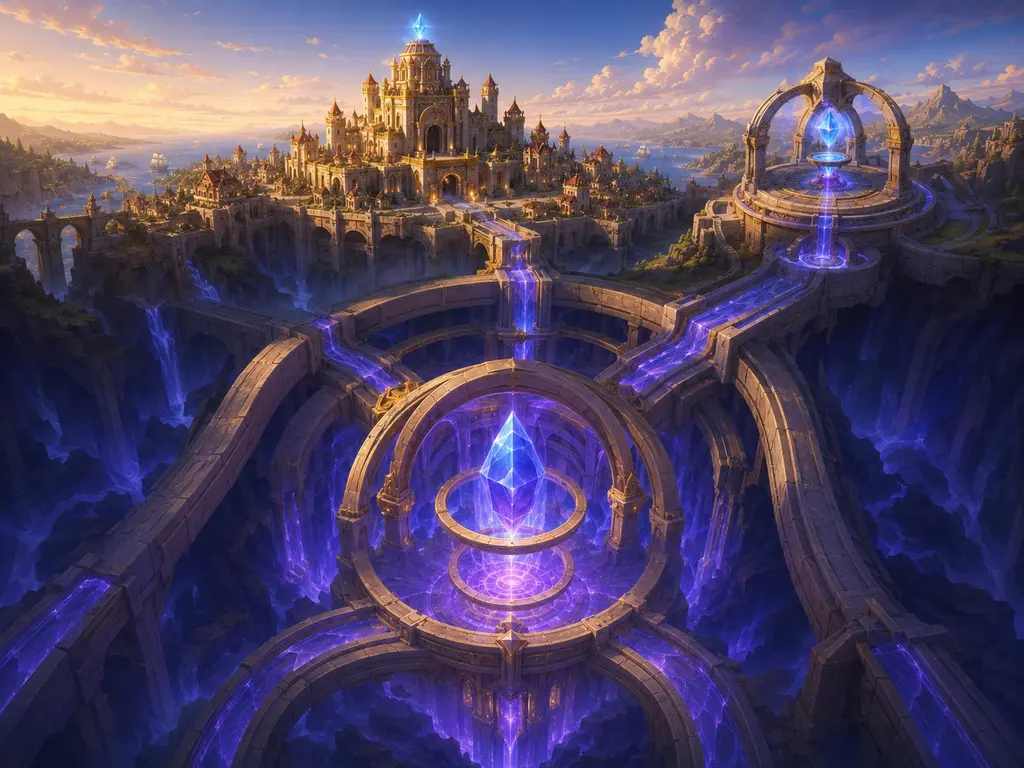
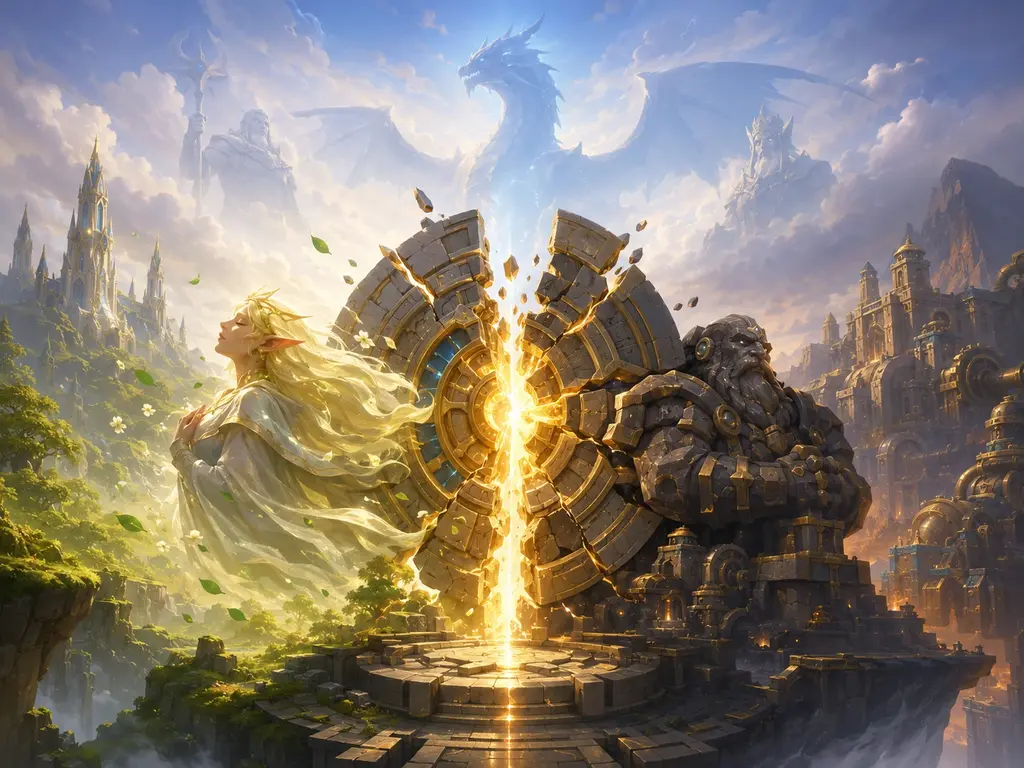
The Separation Machine is not one device beneath Gildglade but a distributed system for stabilizing reality. Elven Harmony gives it a network; dwarven Structure gives it material supports and formulas. Its task is almost impossible: keep Body, Time, Memory, and Function in balance so the Great Nothing cannot find a crack through which to return the world to nonbeing.

Machine ArchitectureMachine Architecture ↗
06

Then one small parameter appears and breaks the perfect formula: personal Time

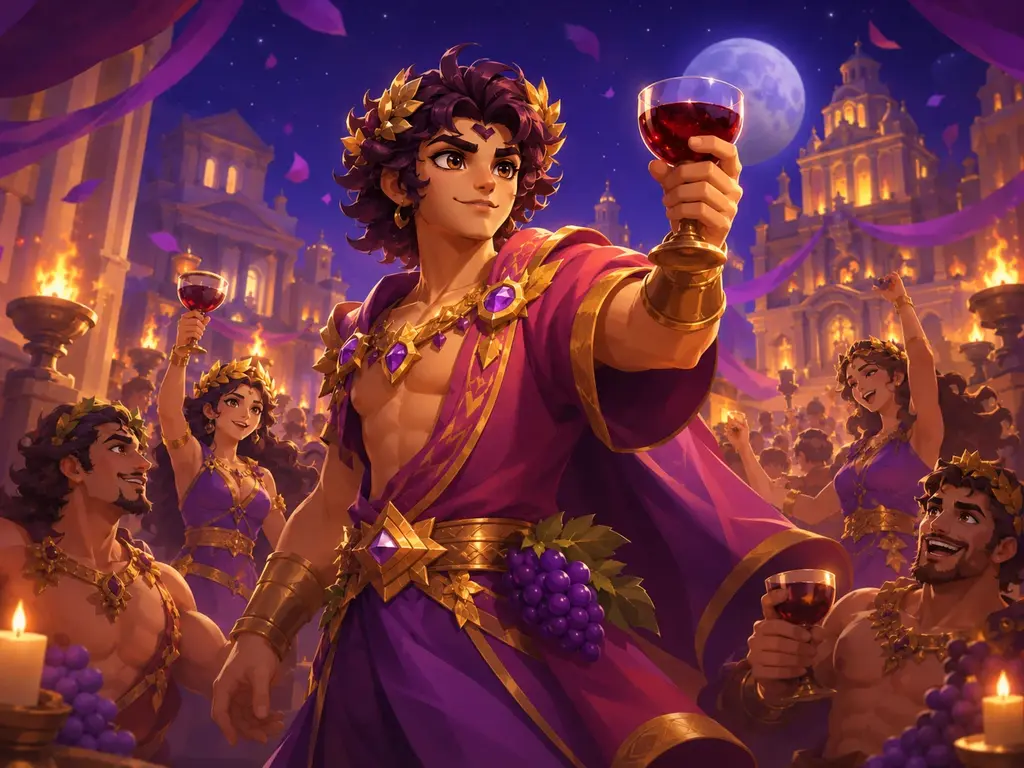
Dionysus brings not stronger magic but the right of each consciousness to have its own continuity. A person can choose today what yesterday was absent from their Function: refuse, change their mind, leave, make a mistake, betray tradition, or create something unnecessary. Technically the change is tiny — Time stops being only common. Historically it makes the Old World incompatible with itself.

DionysusDionysus ↗
07

Free Will leaves behind something the ancient Machine cannot calculate

Personal Time passes through Body and Memory, but a person can fail to match an assigned Function. Realized choice produces Will, and Soul becomes its incombustible remainder. This is humanity’s central answer to the Great Nothing: something appears in the world that cannot simply be reduced back to matter, role, or common rhythm. The Machine can work with almost everything — except this residue of freedom.

PersonhoodPersonhood ↗
08

The Machine Catastrophe is the moment the Old World tries to process what it was never built for

A system designed for Harmony and Structure meets millions of personal times and choices that can be refused. The balance does not fail like a single reactor exploding, but like the rules of existence breaking: elves dissolve, dwarves freeze into mechanisms, the Machine cracks, and reality continues on damaged seams. The human world begins only after this accident.

Node CatastropheNode Catastrophe ↗
09

The Dark Interval shows that Old Time does not have to obey our calendar

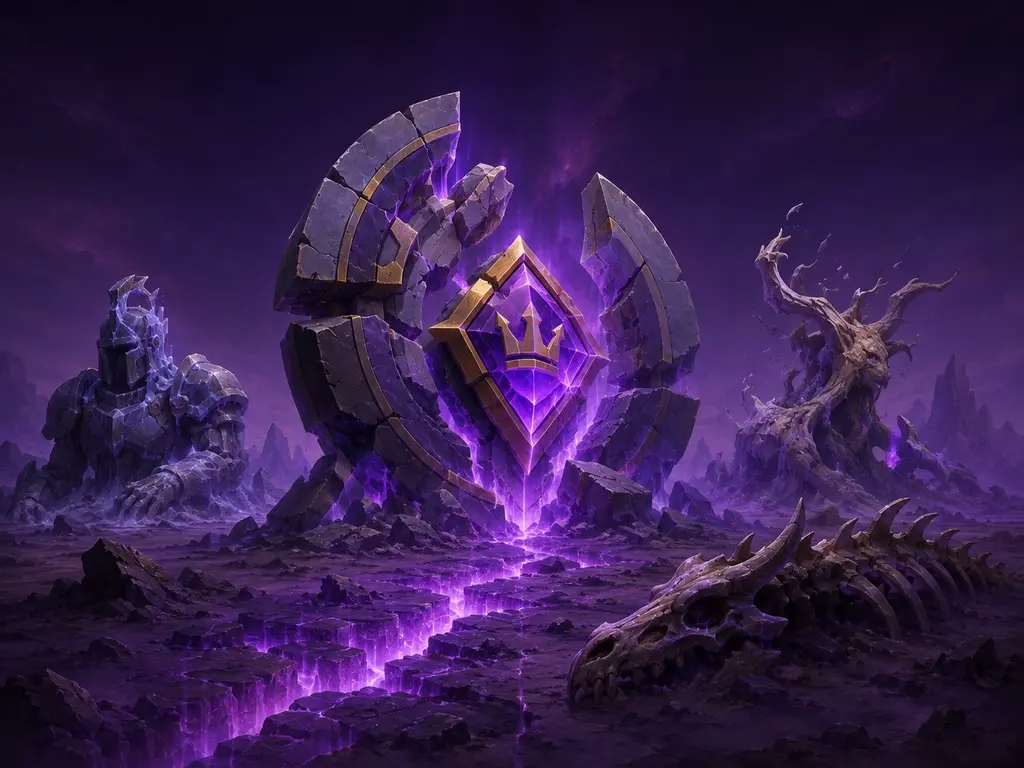
Between the ancient rupture and the human eras lies a period with no reliable duration: thousands of years, millions, or from the perspective of personal Time not one ordinary instant. The Old World did not disappear — it remained in ruins, sarcophagi, mechanisms, and places where causality works differently. From then on, Aurelion’s history always unfolds on top of something older that periodically wakes.

The Dark IntervalThe Dark Interval ↗
10

Era I: humanity first proves it has the right not to disappear

The first human societies are small and weak beside relics of the Old World. Their victory is not an empire but memory: old age appears, knowledge survives a single bearer, druids learn to preserve local environments, and a tribe stops being temporary prey for older beings. Humanity creates its first sphere of life that cannot be reduced to someone else’s Function.

I Era: Grey LordsI Era: Grey Lords ↗
11

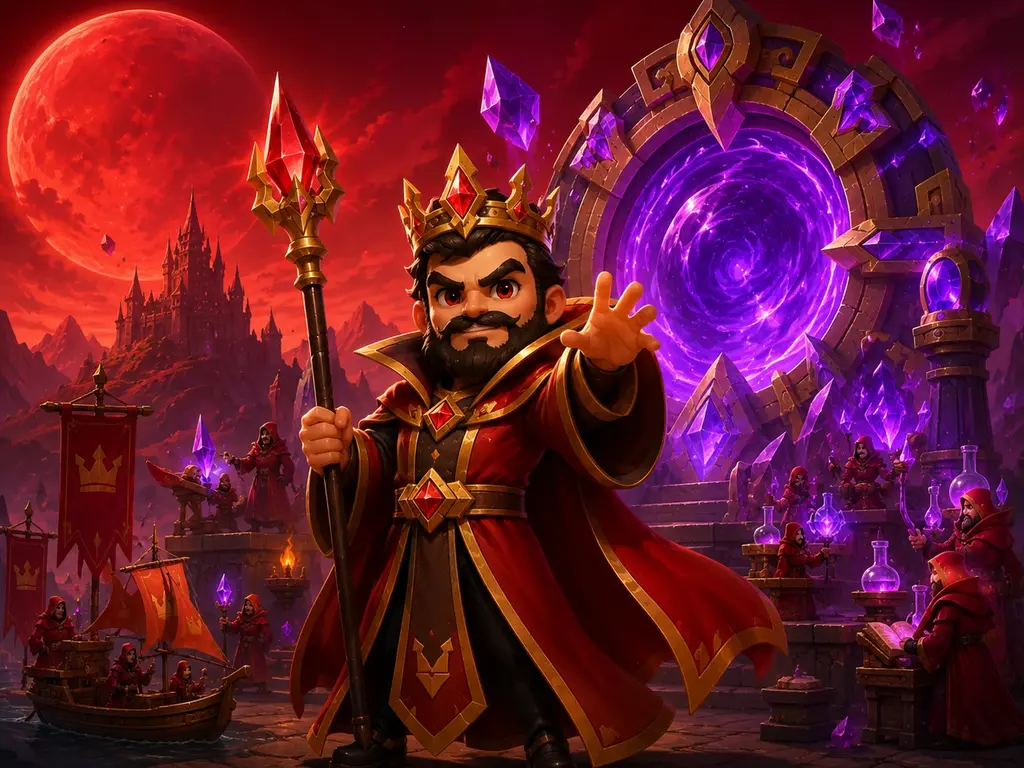
Era II: human freedom invents its own way to become one Function again

The Red Kings gather thousands of personal Wills around one ruler. It is monstrous but effective: centralized force builds roads, armies, and states, while magic becomes state technology. Humanity’s first answer to freedom is paradoxical — people voluntarily surrender part of their choice to whoever promises to protect and expand their world.

II Era: Red KingsII Era: Red Kings ↗
12

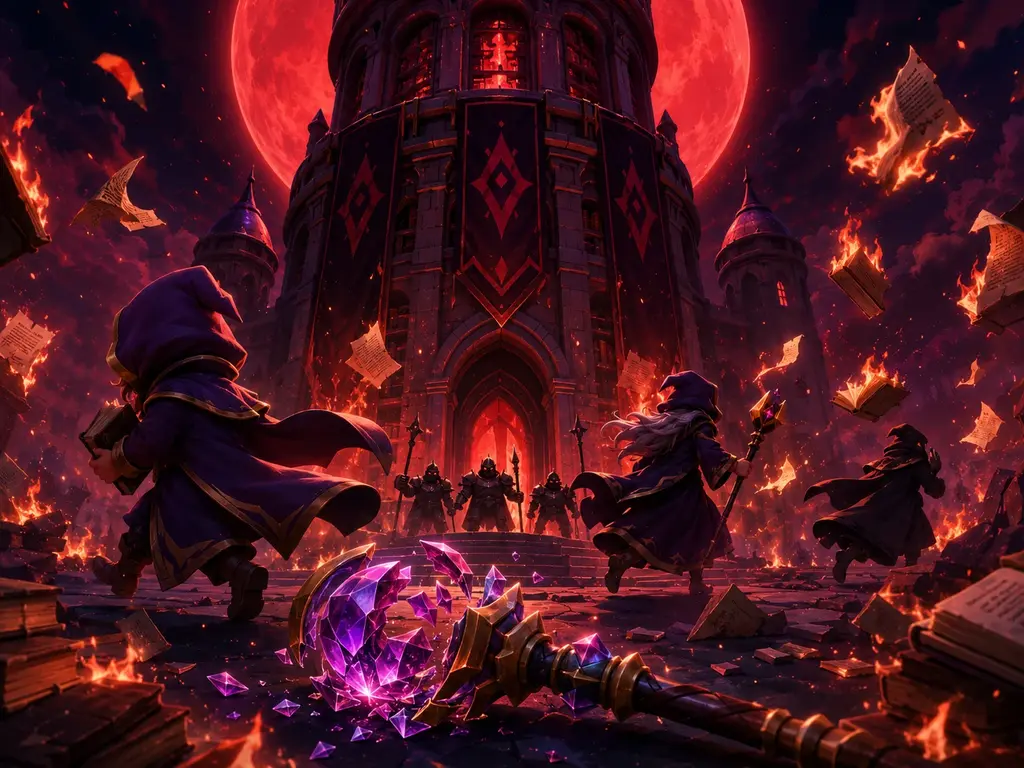
The Red Night proves that power can unite Will but cannot stop safely

Mage-tyrants, experiments with personhood, and dynastic struggle end in the collapse later called the Red Night. The next era inherits the central conclusion: if one person’s power can rewrite too much, there must be an order stronger than the ruler. The defeat of force creates the dream of contract.

The Red NightThe Red Night ↗
13

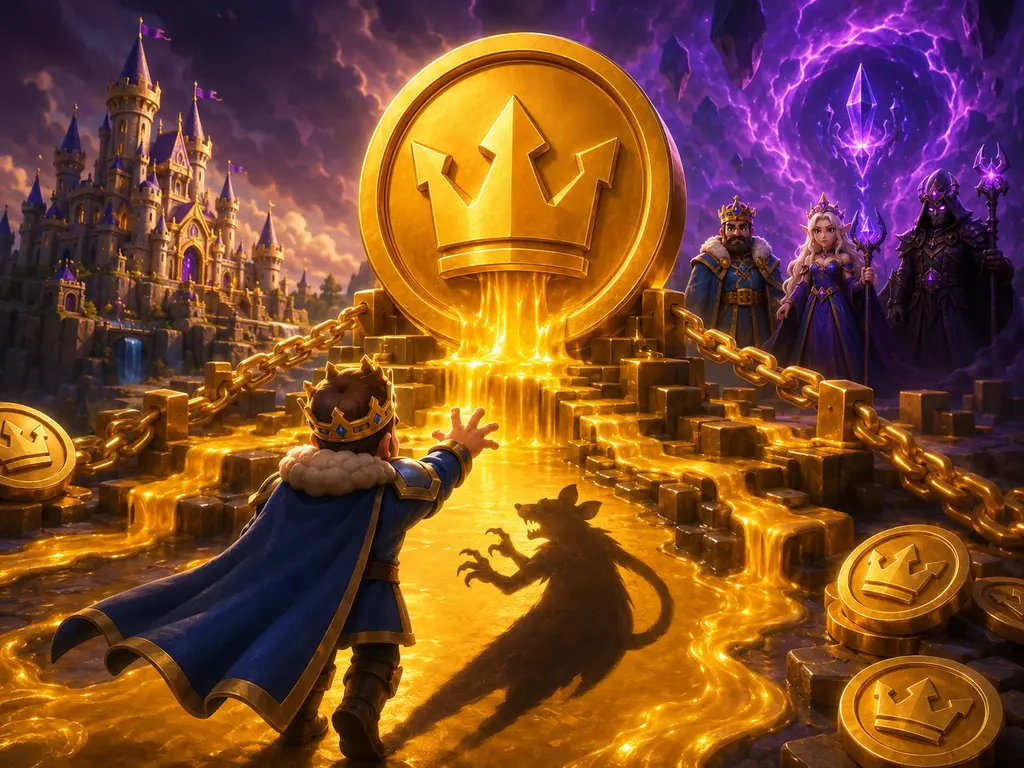
Era III: the Golden Order replaces command with contract — and it really works

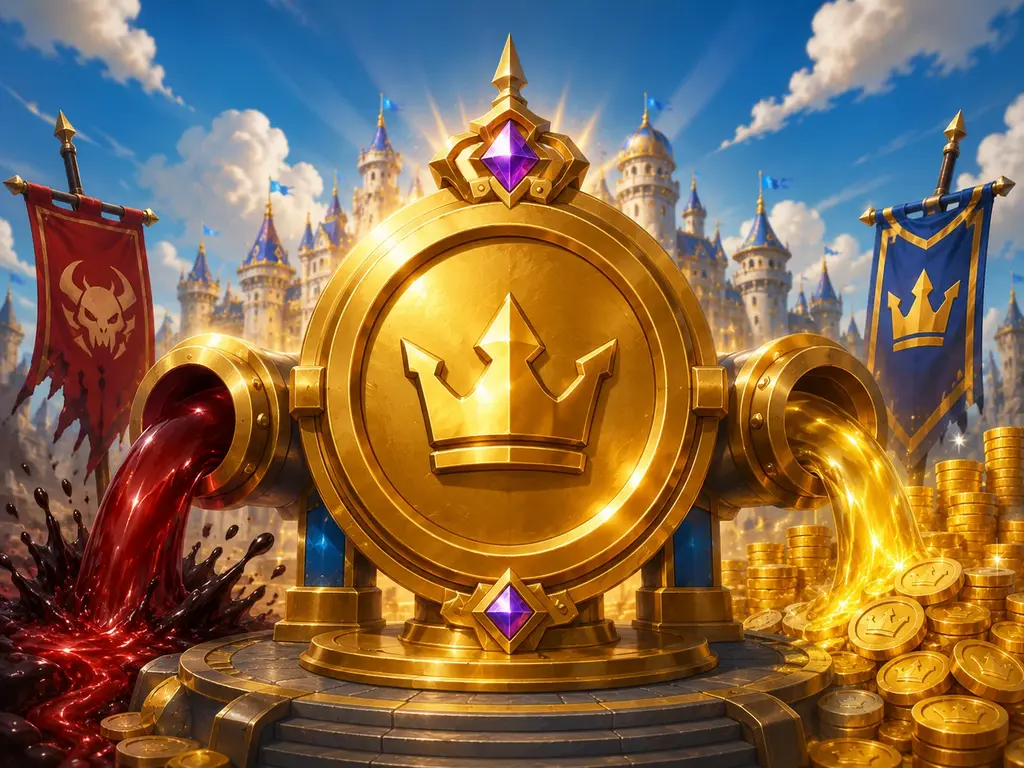
The Golden Era makes civilization richer, safer, and more predictable. A promise can be fixed, debt valued, power bound by obligation, and conflict translated from violence into price. It is an enormous advance over the Red Kings. But here the Old World finds a subtler way to return a person to Function: not force them, but make them agree.

III Era: Golden OrderIII Era: Golden Order ↗
14

Greed is Old Time’s best revenge because it does not remove freedom

A greedy person remains free — but among a thousand possible aims increasingly chooses one: more gold, more power, more life, more safety. The stronger the concentration, the fewer degrees of freedom remain until behavior once again begins to resemble a perfect Function. The Old World returns not through an army of ancient gods but through the human desire to narrow one’s own Will voluntarily.

The Golden OrderThe Golden Order ↗
15

The success of the Golden Era turns a beautiful system into another magical catastrophe

When contract, gold, and high magic enter everything, society becomes extraordinarily powerful and at the same time dependent on the rules it created. The old question returns in a new form: if a person constantly chooses what benefits the system, how personal is that choice anymore? Catastrophe comes not from one witch’s mistake but from a civilization so successful that it once again brings humanity close to Function.

Power Through the AgesPower Through the Ages ↗
16

Era IV: the White Kings drive Old Time back with fire

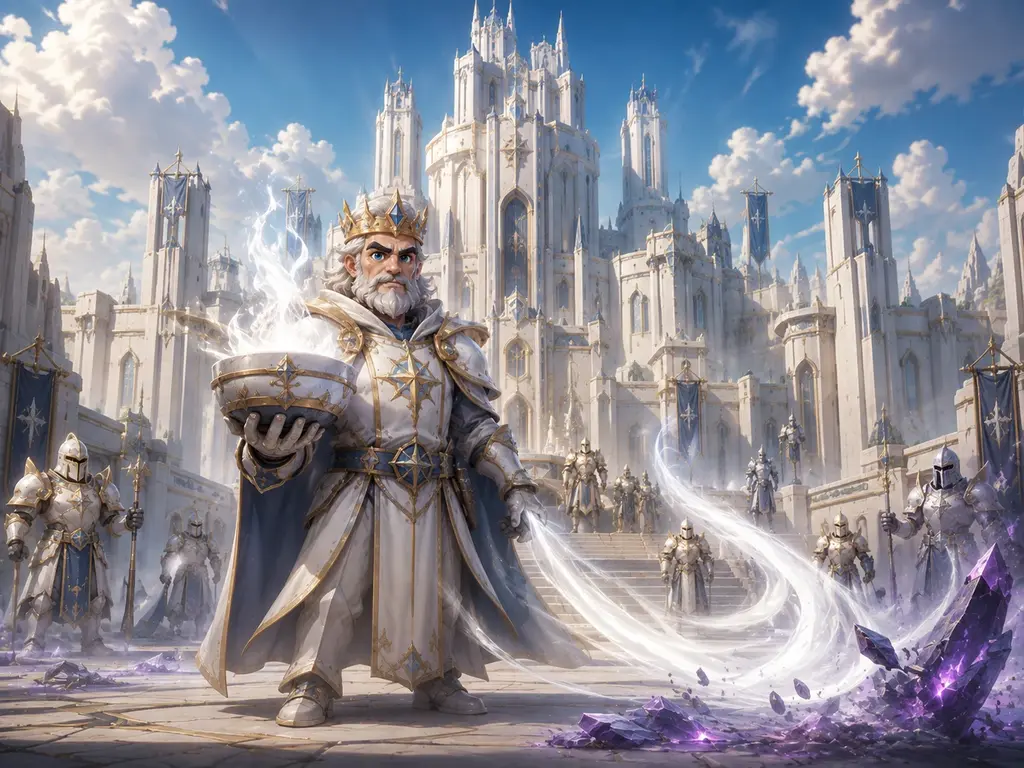
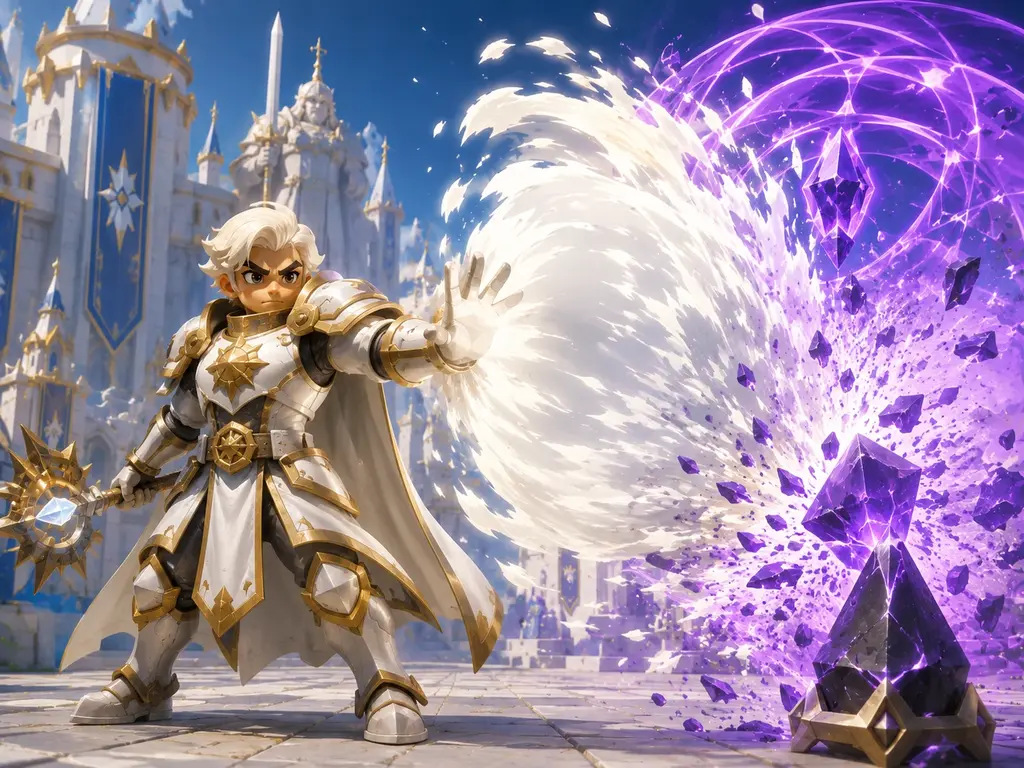
White Flame can do more than kill mages; it can tear apart the very possibility of magical binding. The White Kings defeat the Golden catastrophe through the near-total destruction of free high magic, schools, and artifacts. For several centuries it truly works: ancient mechanisms grow quieter, magic weakens, society stabilizes. The Old World retreats — but does not disappear.

IV Era: White KingsIV Era: White Kings ↗
17

The price of salvation is amnesia: humanity forgets what it was saved from

To keep old technologies and magic from returning, the White Kingdom destroys archives, schools, and dangerous explanations. Later generations inherit prohibitions while understanding their reasons less and less. This creates perfect conditions for another revenge: once memory of the cost is gone, ancient power looks not like catastrophe but like a tempting tool.

White Ash InquisitionWhite Ash Inquisition ↗
18

Era V: everything that was pushed away begins seeping back

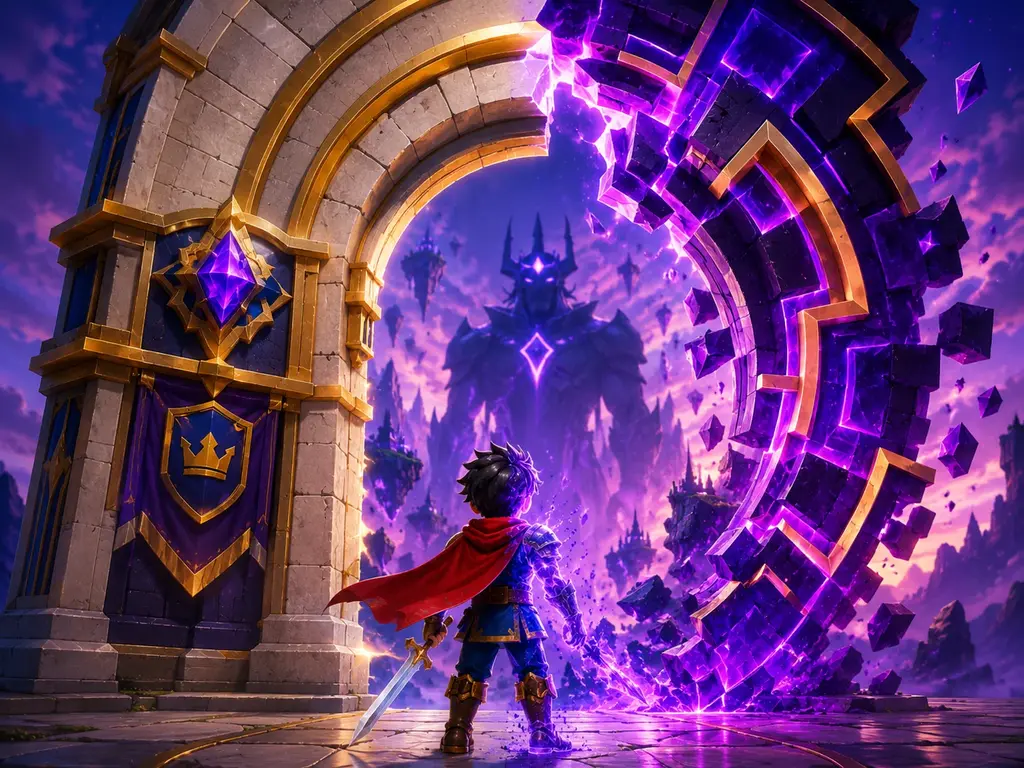
Prohibitions weaken, ruins open, the Machine signals again, and Sleeping Lords and ancient Functions return to human history. Old Time advances on many fronts: through greed, dependency, repeated roles, the temptation of simple order, and the awakening of powers that remember the world before human freedom. The Turning is the era when the past becomes an acting character again.

V Era: The TurningV Era: The Turning ↗
19

Gildglade gathers all of Aurelion’s history into one city

An ancient Node lies beneath the streets, the Fairy restores the logic of immortal contracts, Golden Blood turns greed into an economy, the King answers with White Flame, and hunters reuse old mechanisms for today’s survival. Gildglade is where five human answers and the prehuman Machine begin working on top of one another at the same time.

GildgladeGildglade ↗
20

History’s final question: can freedom survive a world that always tries to reduce it to Function?

If Soul truly is the incombustible remainder of realized Will, then humanity has created not merely another civilization but a new form of resilience against the Great Nothing. Yet personal Time is constantly offered in exchange for safety, order, debt, or gold. The end of the Chronicle is therefore not “who wins?” but whether reality can retain something that does not collapse back into an impersonal system precisely because it once chose otherwise.

Core ThemesCore Themes ↗

Continue exploring

All 161 Canon, Legends and Chronicle articles remain available in the full index.

Open all articles ↗